Cleaning and Maintenance

Cleaning and Maintenance

Beautiful Carpet Requires Care

CRI 205 Residential Carpet Standard for Maintenance and Cleaning - Cover

The beauty and life of your carpet depend on the care it receives. Proper cleaning will keep your carpet looking great for its full lifetime, improve your indoor air quality, and keep your carpet warranties intact. Cleaning your carpet properly is easier than you think. All it takes is a little knowledge about how to select the right carpet cleaning products and the most appropriate cleaning method. The CRI Seal of Approval Program helps you identify effective carpet cleaning solutions, equipment, and service providers that clean carpet right the first time, without the fear of immediate resoiling, stains reappearing, or equipment damage.

Cleaning Essentials - Four Steps for Proper Carpet Care

Carpet cleaning is all about developing a routine. If you get into a good routine and keep it up, you will see great results. Products that rate highly on CRI’s Seal of Approval (SOA) program provide assurance that you will clean correctly the first time. CRI wants vacuums, extractors, cleaning systems, cleaning products, and service providers to be as effective as possible. The Seal of Approval program is the only one in the industry that scientifically measures cleaning efficacy. The results help consumers make informed decisions and manufacturers improve their products. Ensuring carpets remain cleaner, healthier, and longer-lasting. Learn more about the Seal of Approval Program.

Here are four simple steps to keep your carpet clean and looking great:
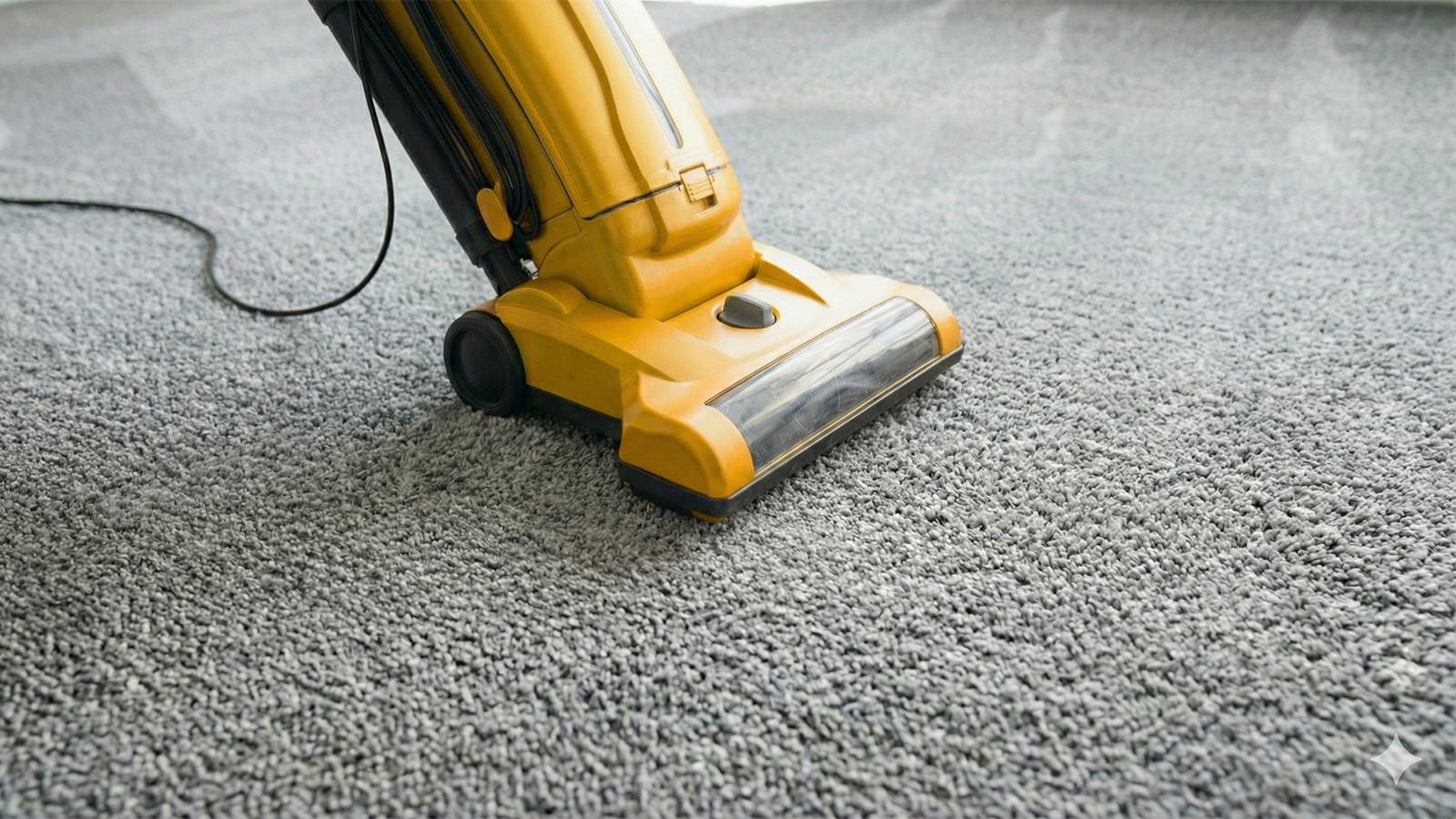
  • Vacuum regularly. Vacuum frequently in high traffic areas and everywhere according to a vacuuming schedule, using a SOA-certified vacuum.
  • Clean spots and spills quickly with products that do not damage your carpet or cause it to resoil quickly. SOA-certified solutions clean effectively and maintain the life of your carpet.
  • Professionally deep clean your carpets every 12 to 18 months to remove embedded dirt and grime. SOA-certified cleaners are recommended and sometimes required by the manufacturer to ensure results and warranty protection.
  • Stop dirt at the door by using mats outside and in, taking your shoes off when you enter the space, and changing your air filters to reduce airborne dust particles.

Vacuuming 101

Vacuuming Carpet

Proper vacuuming is the easiest and most effective way to keep your carpet clean. Regular vacuuming can also have the largest impact on the air you breathe by removing dust, dirt, allergens, and particles.

To get the most out of your vacuuming regime, remember these few easy tips:

  • A quick once-over doesn’t do much. Slow and steady does the trick.
  • When vacuuming, don’t ignore those corners and crevices where dust builds.
  • Remember to replace or empty vacuum bags when they are one-half to two-thirds full as this improves the efficacy of the vacuum.

How Often Should You Vacuum?

As a rule of thumb, you should vacuum at least once a week with a quality vacuum cleaner. However, the more foot traffic your carpet receives, the more you need to vacuum.

The general formula is:

  • Vacuum daily in high-traffic areas.
  • Vacuum twice weekly in medium-traffic areas.
  • Vacuum weekly in light-traffic areas, using attachments at carpet edges.

Cleaning Spots and Spills - A Two-Step Solution

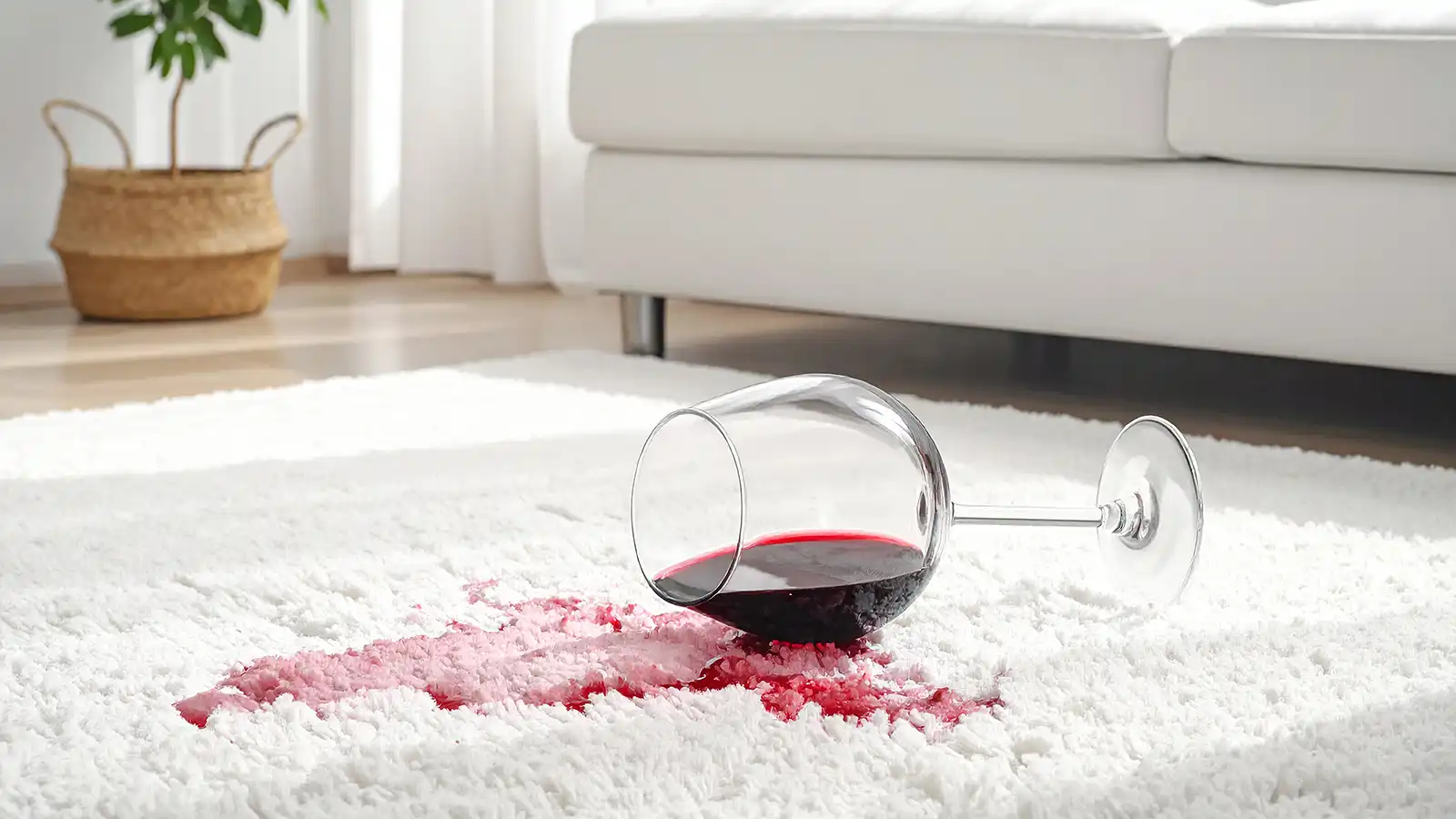
With today’s stain-resistant carpet, treating spots and stains has never been easier. Still, no carpet is completely stain proof. The key is to act quickly! So, to knock out spots, give them a one-two punch.

Step One: Absorb the Spill

  • Blot liquids with a dry, white absorbent cloth or plain white paper towels (no prints or colors). Using a printed or colored material may transfer ink or dye to your damp carpet. Continue blotting until the area is nearly dry. Semisolids, like food spills, may need to be scooped up with a spoon. Solid, dried bits can be vacuumed up.
  • Warning: do not scrub or use a brush. Bristles and scrubbing can damage carpet. Fraying and texture change are the likely results.

Step Two: Treat the Spot or Stain

  • Use a SOA-certified carpet cleaning solution to treat the spot or stain. Though these have been laboratory tested, you should still pretest any cleaner on a scrap of carpet or in an out-of-the-way area of your carpet.
  • Follow the product’s directions carefully. More is not better. Apply a small amount of the cleaner to a white cloth and work in gently, from the edges to the center. Blot; don’t scrub. You may need to do this several times to remove the spot. After the spot is gone, blot the area with clear water once or more to remove any remaining product.

What if you don’t have a CRI-approved carpet cleaning solution handy? Use CRI’s Spot Solver to search hundreds of spots and stains for cleaning tips and procedures or hire a professional, Seal of Approval Service Provider, near you.

Tips Regarding Pets

You can combat pet odors and stains in many ways:
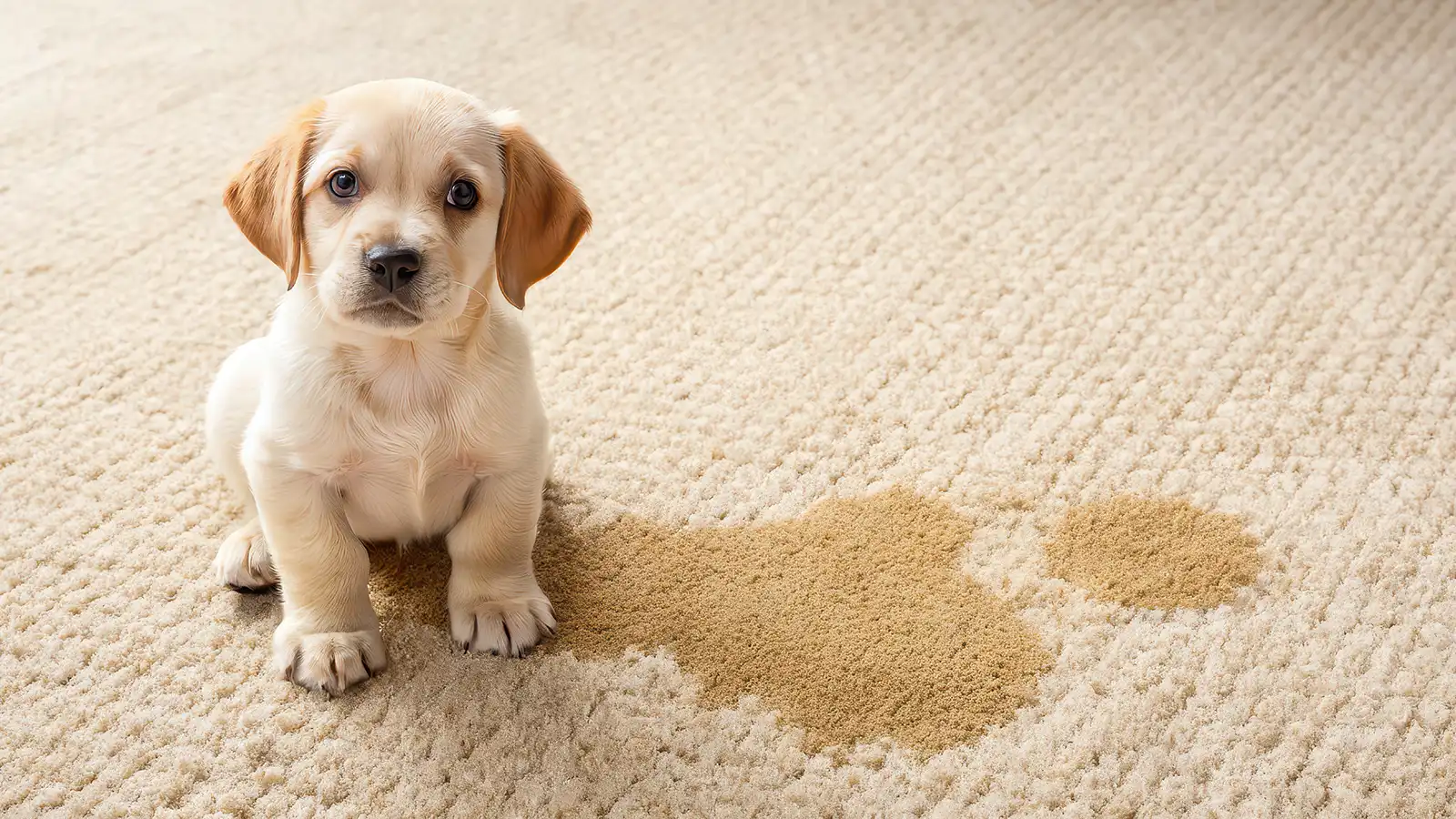
Puppy Accident
  • Vacuum carpet more frequently to remove pet hair and dander.
  • Use SOA-certified carpet cleaning solutions that are specifically designed for pet stains and odors.
  • Clean up new messes promptly and follow the steps above for spot and stain removal.
  • Use small hand extractors for quick cleanups of pet accidents but remember that these quick clean-ups don’t take the place of periodic deep cleaning.
  • Have carpet professionally cleaned every 12 to 18 months or more frequently if necessary.
  • Don’t use a steam cleaner when dealing with urine spots because the heat will set the stain and the smell. Instead, extract the spill with a wet vacuum and rinse with cool water to reduce the odor. If necessary, call in a certified carpet cleaning firm that knows how to remove pet stains and odors permanently.

Basic Rug Care

Rugs deserve the same care as wall-to-wall carpet and, in some cases, require special attention.
  • Machine Wash Rugs: If your rug is small and the label says “machine washable,” shake the rug outside first and then put it in the washing machine at the recommended temperature. Use warm water (90 to 105 degrees) and a mild detergent. Tumble your rug dry at the lowest heat setting.
  • Beat Larger Rugs: If your larger rug is easy to pick up, shake it outside first; then put it over a clothesline and beat it. Next, take the rug inside and vacuum it.
  • Dry Clean: If the label says dry clean only, your best bet may be to roll up your rug and take it to a dry cleaner. Save time and aggravation by calling first to see if the dry cleaner handles rugs — many do not.
  • Vacuum Area Rugs: Area rugs with fringe require a special vacuum technique. Use gentle suction and start from the center of the carpet, vacuuming toward the fringe and being careful not to catch the strands in the beater bar. Lift the carpet edge to vacuum beneath the fringe.
  • Care for Oriental, Turkish or Persian Rugs: Clean imported rugs according to the carpet manufacturer’s specifications or use a professional cleaning service. Be gentle with fringe. For heirloom-type rugs, hire professionals.
Red Wine Spilled on White Rug
Company
Company
More Companies
Certification
Certification
Company
Company
Certification
Certification
Rating
Rating
Type
Type
Company
Company
More Companies
Certification
Certification
Rating
Rating
Type
Type
Collection Type
Collection Type
HEPA Filtration
HEPA Filtration
Bristle Type
Bristle Type
Brush Roll Shutoff
Brush Roll Shutoff
Speeds
Speeds - slider
1 3
Height Levels
Height Levels - slider
0 16
Power Source
Power Source
Weight
Weight
Company
Company
More Companies
Rating
Rating
Company
Company
Substrate
Substrate